In this post I will be presenting my brutalism in graphic design research. Within this I will focus on the history of the movement, the general consensus of the style as well as looking at some brutalist design projects and specific graphic designers who excel in this style.
History
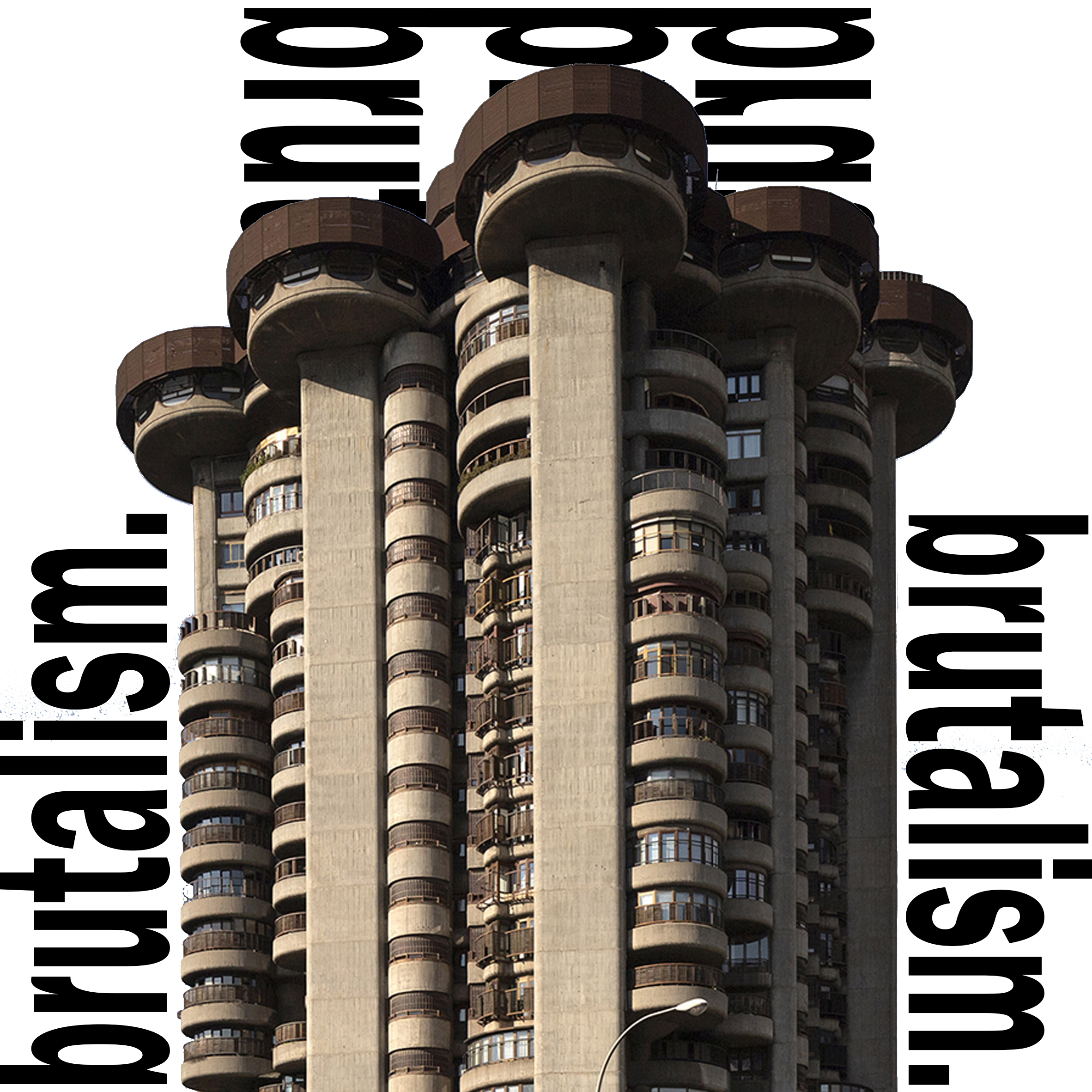
Brutalism is a term that dates back to the 1950’s and was widely popular within the architectural industry from ‘the 1950s to 1970s’ (Levanier, 2021). However the graphic design industry has recently adopted some of those characteristics that were popularised 60 years ago and transformed them into unique styles. It’s hard to completely eliminate connections between the architectural and the graphic design definition, however the design industry has certainly taken these existing aspects and amplified them in accordance to recent trends.
However, within brutalist graphic design, you will see the connections and how they have adapted quite easily such as the use of simple HTML websites which can be compared to the simple use of blank concrete. Furthermore the use of monotone colours is a characteristic that both industries share but present in their own unique way.
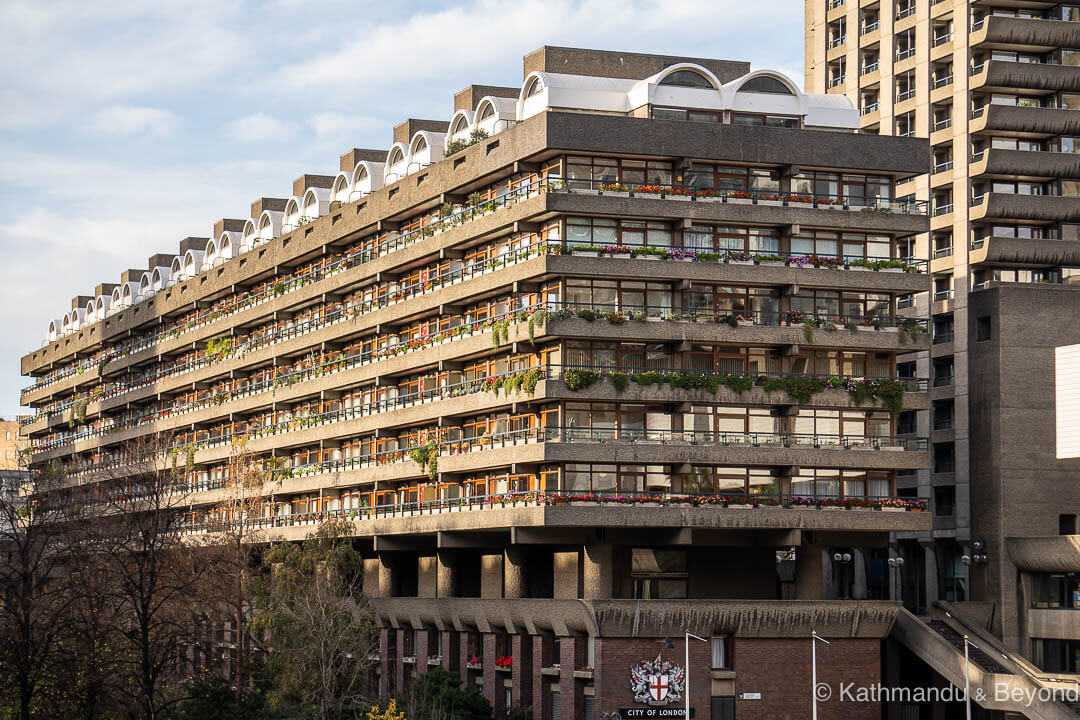

Johnny Levanier from 99Designs details how brutalism’s ability to be applied to two very different aspects of design is due to the fact ‘that it tends to describe more of a mindset than visual characteristics.'(Levanier, 2021). This in itself brings up the idea that brutalism in graphic design does not necessarily have a definition specifically, but that is it up for interpretation. This allows a wide range of design principles to be carried over into a certain project and still be a form of brutalism.
Opinions and thoughts
As previously stated, brutalism within graphic design is very much a mindset and can be presented and interpreted in many ways. Due to this, the movement is sometimes not a style that designers want to either adapt to or even associate with at all. Understandably certain artists have their own design style that they are confident with and like to stick to, however some are motivated by the changes in design trends and want to explore a new meaning for their work.
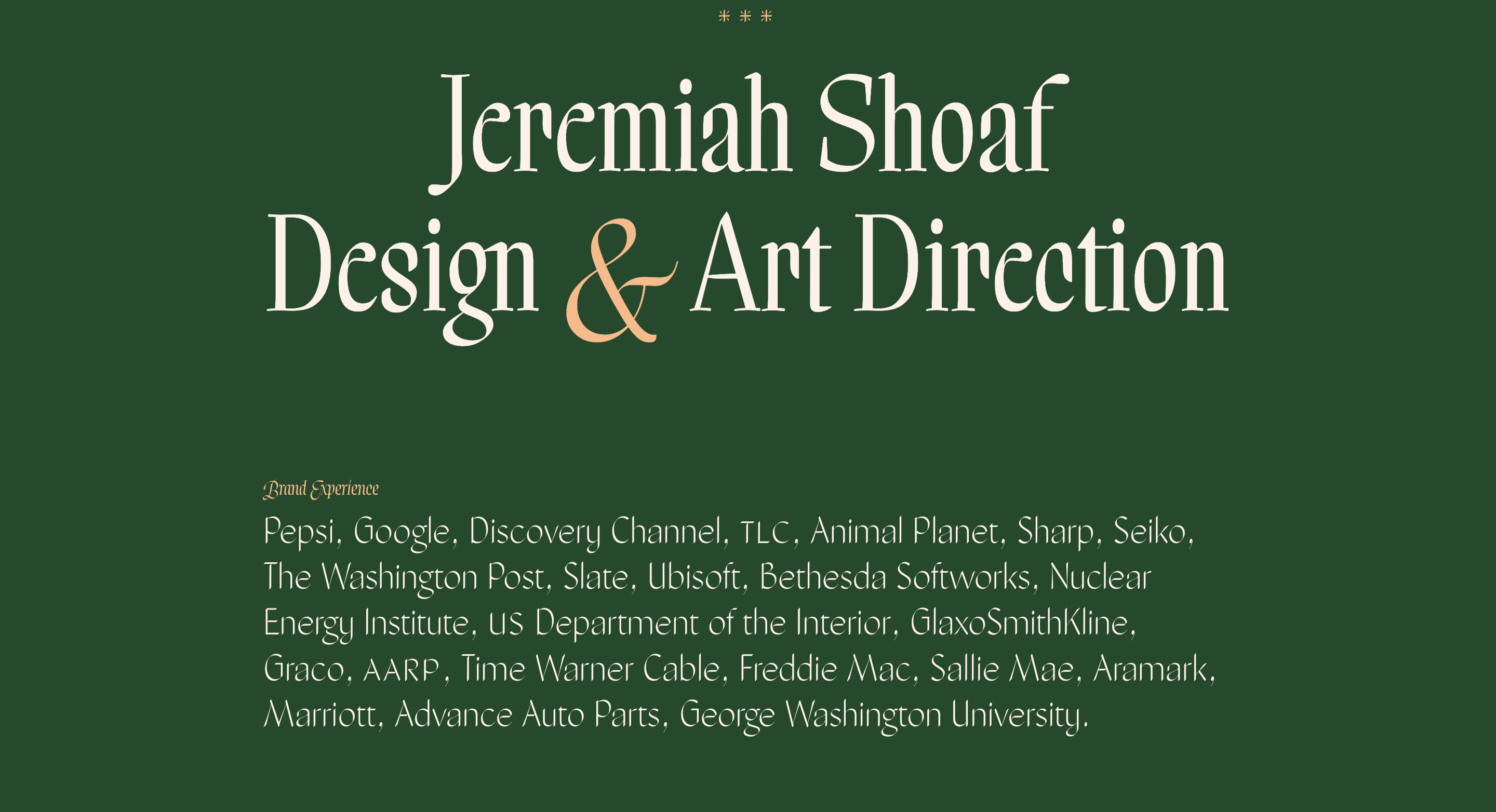
Jeremiah Shoaf who is the creator of the popular typography resource ‘Typewolf’ has endorsed the use of brutalism within graphic design by creating his own personal portfolio ‘jeremiahshoaf.com’ in this style (Figure 4). When asked by one of the founders of ‘Brutalist Websites’ Pascal Deville, why he chose a brutalist design theme, he stated that ‘sometimes typography is more about setting an atmosphere and creating a mood than it is about creating something that is purely easy to read'(Shoaf and Brutalist Websites, 2022).
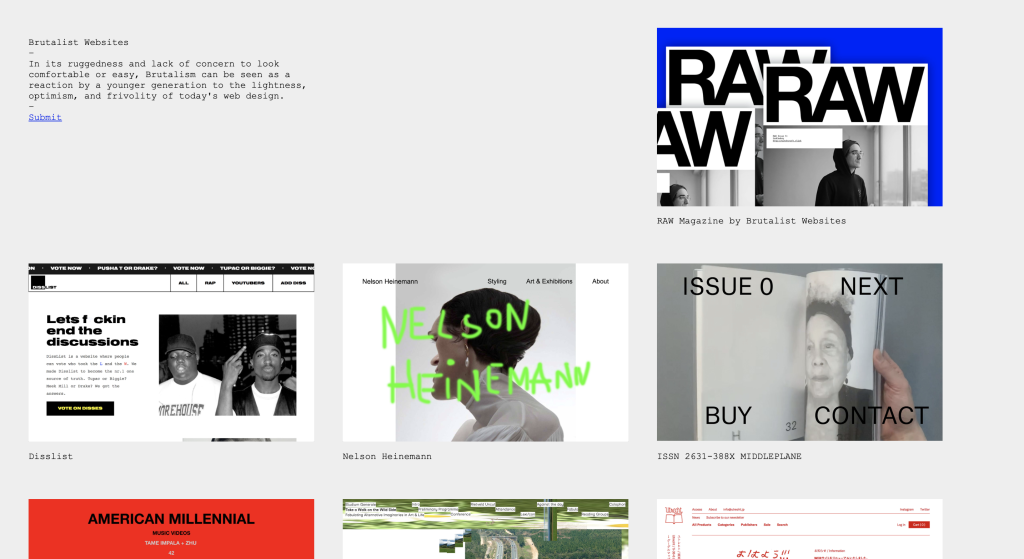
On the other hand, some designers have voiced their opinions against brutalism in graphic design and have even linked external factors such as website conversion rates as to why this movement shouldn’t be normalised. One view I want to highlight is Alan Jereb’s, who wrote a piece that was featured on the online publishing website Medium. In this article, Jereb explains how ‘it is a nice addition to differentiate from other trends’ however is quick to call the style of design ‘vomit’ and claim he is “already over it’(Jereb, 2018). Furthermore Jereb brings up the effect brutalism can have on conversion rates for websites using these design characteristics. Using data provided from HubSpot, it is shown that ‘47% of customers expect a webpage to load in less than 2 seconds'(Bashinsky, 2015) which poses an issue for some brutalist websites that have a large amount of assets.
While this encapsulates the negative view of the opposing side of this design movement, it does highlight a valid issue about the practicality of brutalism in graphic design. A succesful brutalist website would either need to target the correct demographic directly to maintain users, or create a user friendly website that is still following brutalist aspects, while maintaining an easy to navigate experience.
Visual Research & Examples
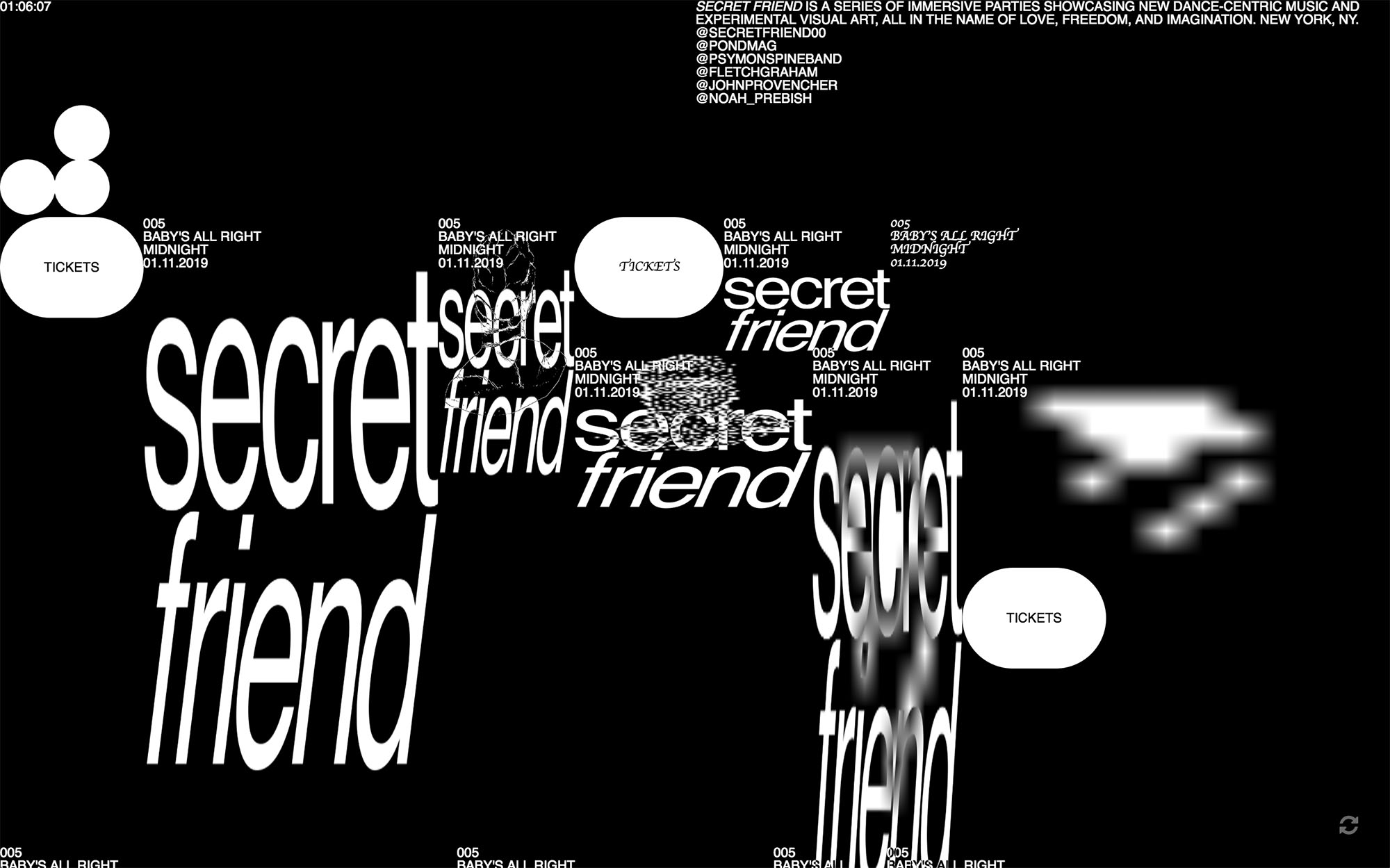
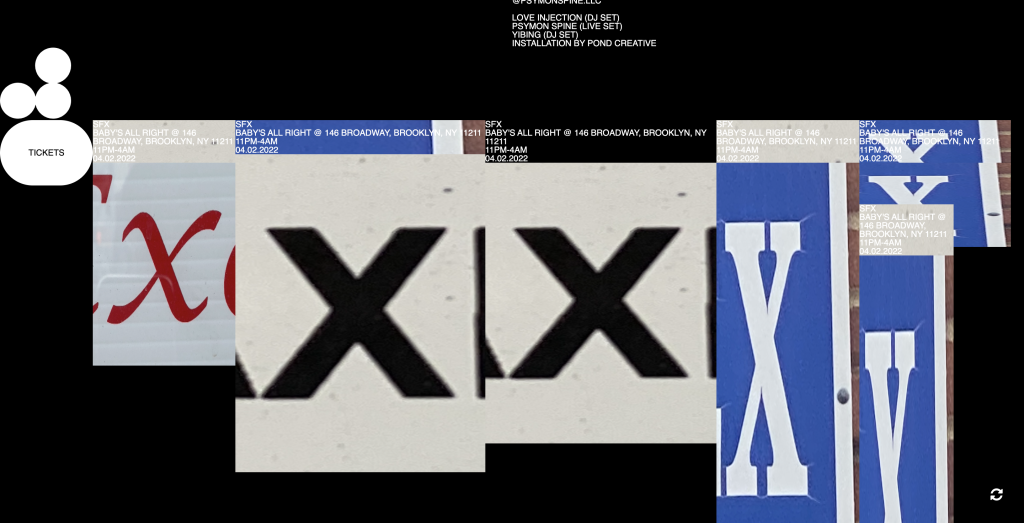
Below is two variations of the New York collective, Secret Friend’s brutalist graphic design website. Within this website, a lot of the characteristics previously mentioned are present such as the monotone colour scheme or the repeated and disarranged text. Keeping the same rough template, the website is updated to promote a new artist for each event, as seen in Figure 7 so it keeps its brutalist design roots and applies them to a new design.
Furthermore I looked into artwork for albums and other visual examples within music. A project that I keep coming back to is Mura Masa’s self titled debut album which throughout the projects life span, brought a wave of brutalist design visuals.
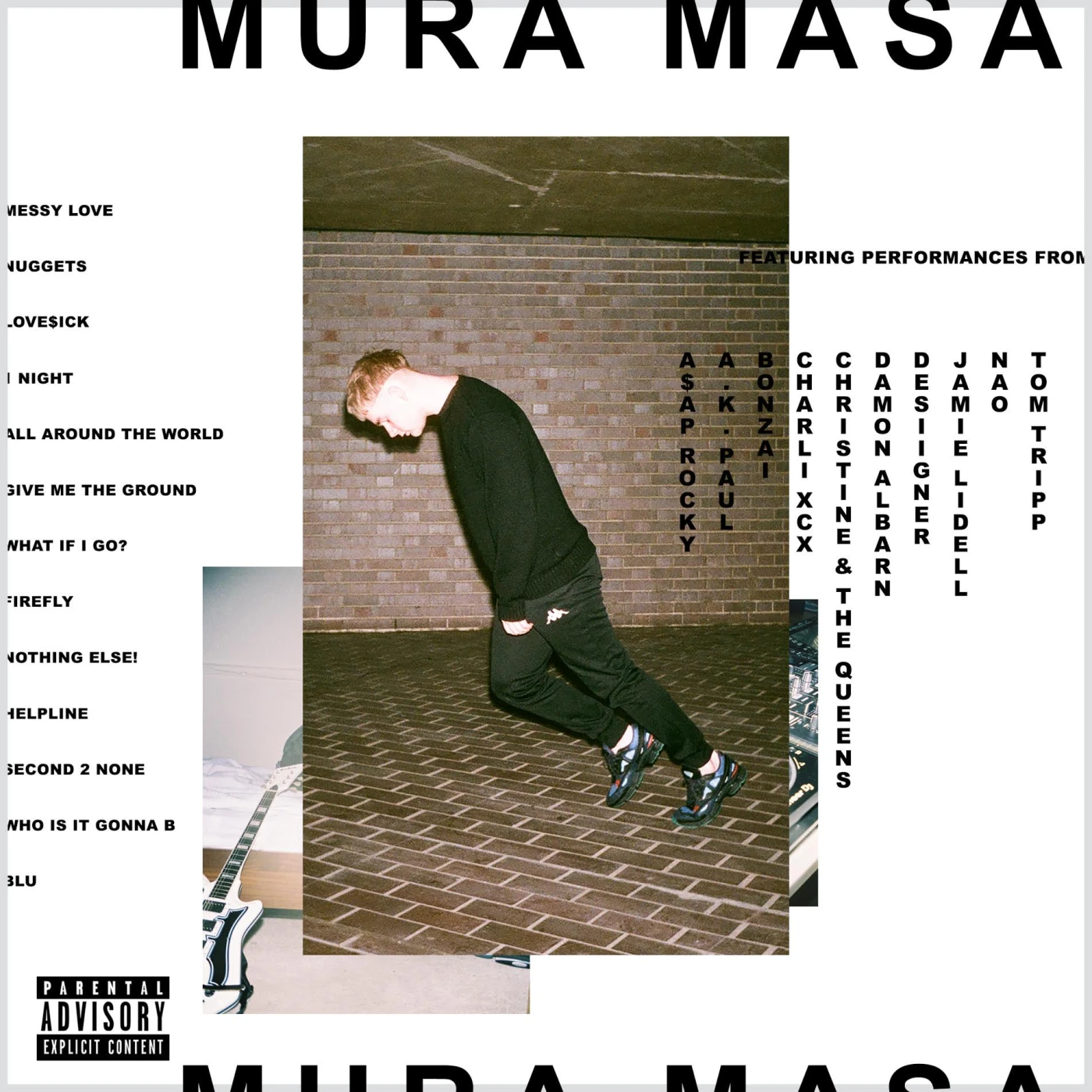
Once again, this project features some of the fundamental design characteristics when referring to brutalism while literally including architectural connotations such as the brickwork seen in the main image. Within the cover seen in Figure 8, we see the track list which gets slightly cut off intentionally as well as the featured musicians which these aspects are typically used on the reverse of physical editions. In addition to this, we see overlapping images which is a common theme with this movement as seen also in Figure 7.
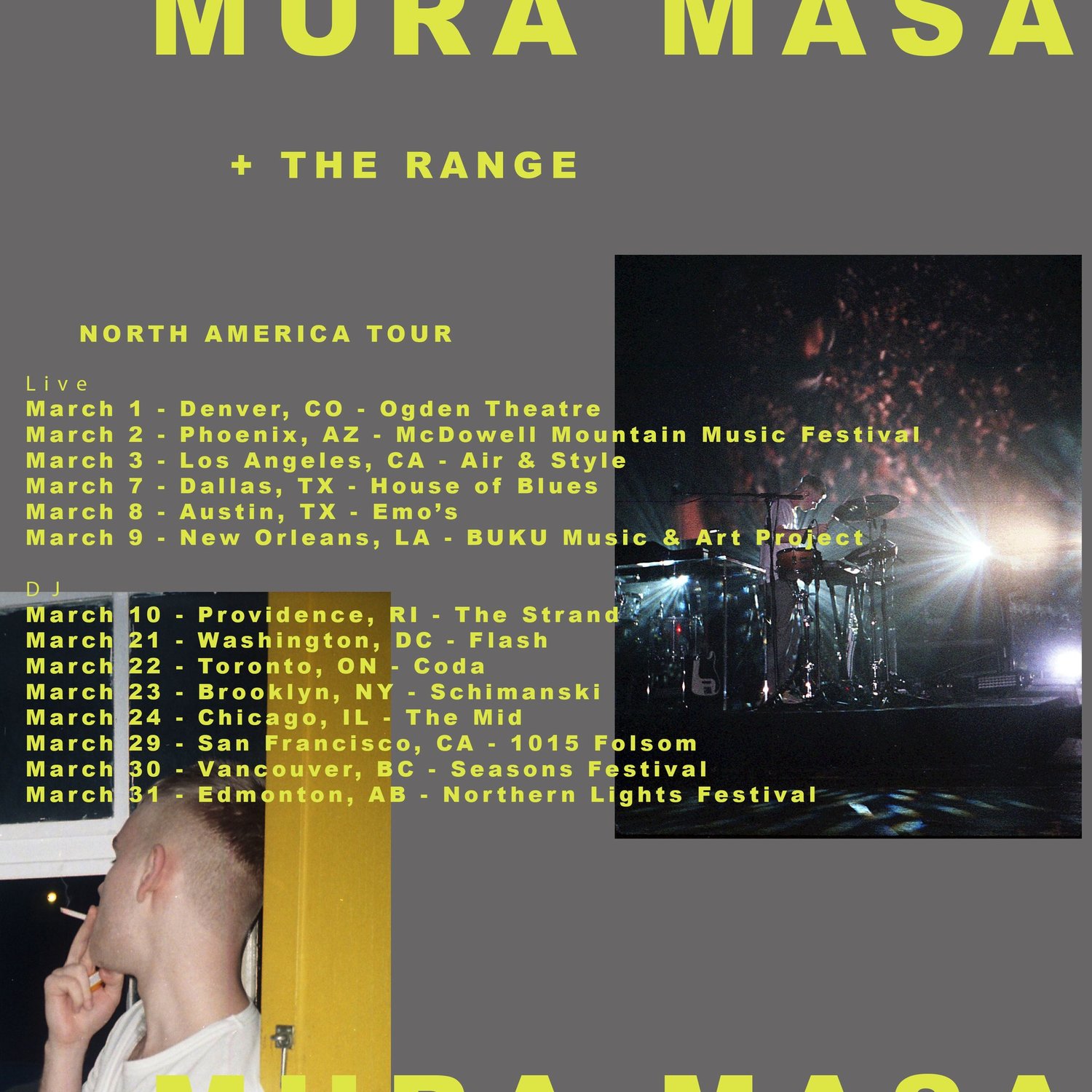
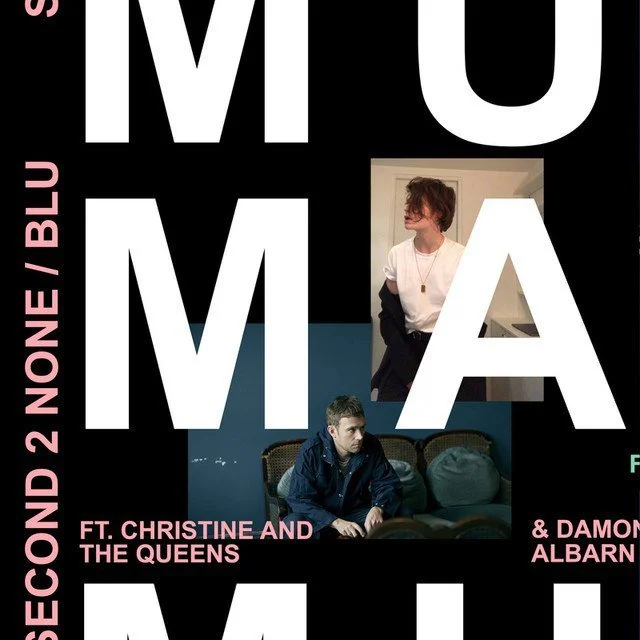
As previously stated, this style was used by Mura Masa throughout the albums life span including tour posters and single artworks which can be seen in Figures 9 and 10. The rough brutalist style of the album cover has been preserved but has been adapted into a new visual which in this case shows tour dates and other images. One significant aspect that is altered within the tour poster is the shift from monotone colours to a splash of yellow which contrasts well with the background colour of grey.
References
Carlson, C. (2021) Roberto Conte photographs Madrid’s brutalist architecture. Dezeen. Available online: https://www.dezeen.com/2021/02/25/roberto-conte-madrid-brutalist-architecture/ [Accessed 8 Dec. 2022].
Levanier, J. (2021) Brutalism in design: its history and evolution in modern websites. 99designs. Available online: https://99designs.co.uk/blog/design-history-movements/brutalism/ [Accessed 1 Dec. 2022].
Kathmandu & Beyond (2021) A history of the Barbican Estate and the surrounding area of London. Kathmandu & Beyond. Available online: https://www.kathmanduandbeyond.com/history-of-the-barbican-london/ [Accessed 8 Dec. 2022].
National Theatre (2015) Careers. National Theatre. Available online: https://www.nationaltheatre.org.uk/about-the-national-theatre/careers [Accessed 8 Dec. 2022].
Shoaf, J. and Brutalist Websites (2022) Brutalist Websites – Jeremiah Shoaf. Brutalistwebsites.com. Available online: https://brutalistwebsites.com/jeremiahshoaf.com/ [Accessed 1 Dec. 2022].
Jeremiah Shoaf. (2022) Jeremiah Shoaf. Available online: https://www.jeremiahshoaf.com/ [Accessed 1 Dec. 2022].
Brutalist Websites (2018) Brutalist Websites. Brutalistwebsites.com. Available online: https://brutalistwebsites.com/ [Accessed 12 Dec. 2022].
Creanest Creative (2018) Brutalism graphic design: Our brutally honest opinion. Medium. Available online: https://medium.com/designers-notebook/brutalism-graphic-design-5a7adf4f0315 [Accessed 2 Dec. 2022].
Bashinsky, A. (2015) 16 Reasons Why People Leave Your Website. Hubspot.com. Available online: https://blog.hubspot.com/marketing/why-people-leave-your-website [Accessed 1 Dec. 2022].
Secret Friend (2022) SFX. Secret-friend.xyz. Available online: http://secret-friend.xyz/ [Accessed 3 Dec. 2022].
Skelton, E. (2017) Mura Masa Shares Self-Titled Debut Album Featuring ASAP Rocky, A.K. Paul, More. Complex. Available online: https://www.complex.com/pigeons-and-planes/2017/07/mura-masa-debut-album-stream [Accessed 3 Dec. 2022].
Challenor, J. (2018) Second 2 None – The Music Network. The Music Network. Available online: https://themusicnetwork.com/tracks/second-2-none/ [Accessed 8 Dec. 2022].
Interracial Friends (2014) Mura Masa North America Tour. Interracial Friends. Available online: https://interracialfriends.com/muramasanorthamericatour [Accessed 3 Dec. 2022].